
Chargeback on a Mastercard Sports Bet: When You Can, When You Cannot, and Why
 Available in US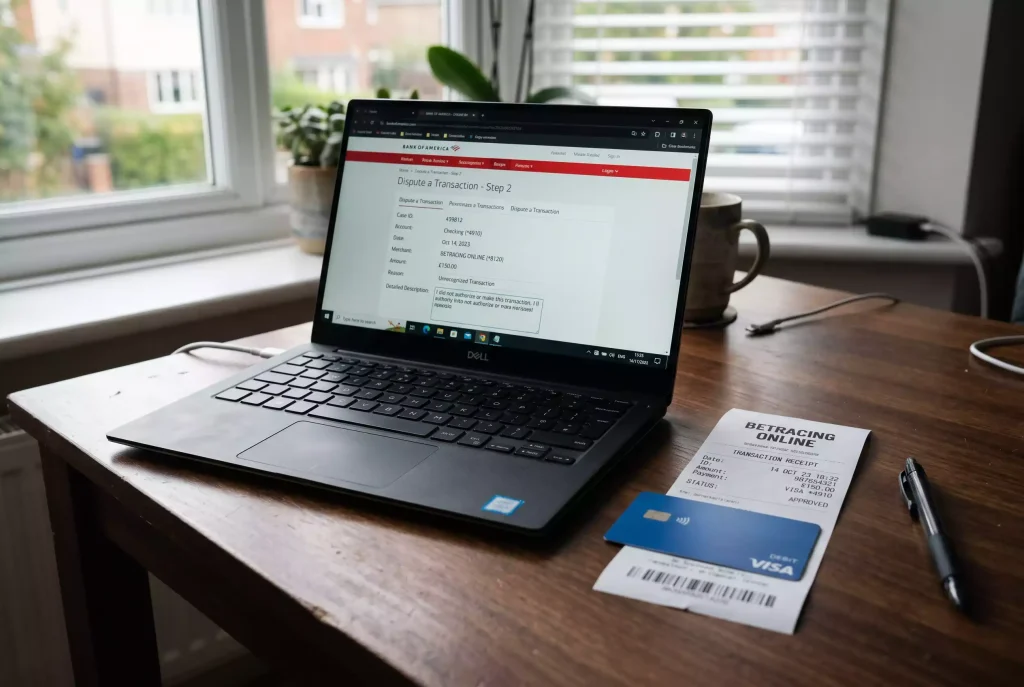
The dispute that never should have been filed
A bettor in Perth lost $1,200 on an NRL multi over a weekend in 2024, woke up on Monday morning, and filed a chargeback through his bank for what he described as an unauthorised transaction. Thirteen weeks later the dispute was rejected, his sportsbook account was permanently closed, his name appeared on an industry-wide exclusion list he had not known existed, and his credit-card relationship with that issuer was placed under enhanced monitoring for two years. The chargeback was a mistake. It was also a common one. In a US survey, 30 percent of American sports bettors attribute some of their debt to gambling, and 52 percent carry a credit-card balance month to month — a pattern where the temptation to retroactively dispute a losing wager is predictable even though the outcome is almost never favourable.
The chargeback system exists for a reason. It protects cardholders from genuine fraud, from merchant failures, and from transactions that went wrong in ways the merchant should bear. It does not — and structurally cannot — protect a bettor from losing a bet they voluntarily placed. Understanding which chargebacks are valid, which are friendly fraud, and what happens to the account when a chargeback is filed in either category is the difference between using the tool wisely and triggering consequences that outlast the dispute. This piece walks through what a chargeback actually is, the valid reasons to file, the invalid reasons, the friendly-fraud trap, and the step-by-step dispute timeline.
What a chargeback actually is
A chargeback is a reversal of a card transaction initiated by the cardholder through their issuer. The cardholder contacts their bank, files a dispute against a specific transaction with a specific reason code, and the issuer investigates. If the dispute is valid under the network’s rules, the transaction is reversed and the merchant is debited; if invalid, the transaction stands and the dispute is closed.
The chargeback framework is written into Mastercard’s operating rules, which all issuers and acquirers are contractually bound to follow. The rules specify valid reason codes, evidence requirements for each side, timelines for response, and the conditions under which a dispute can be escalated to arbitration. The process is standardised across merchants, geographies and product types — a chargeback on a sportsbook deposit runs through the same framework as a chargeback on a hotel booking or a retail purchase.
The legal status of chargebacks varies by jurisdiction. In most regulated markets, the cardholder’s right to dispute is supported by consumer-protection law, and the chargeback rules align with that law. The issuer is obligated to investigate any dispute filed in good faith and to apply the network’s rules fairly. The merchant is obligated to respond within specified timelines and to provide evidence supporting the transaction.
For sportsbook-specific chargebacks, the process involves some unique features. The operator is required to produce evidence that the cardholder authenticated the transaction (usually through 3D Secure), that the bet was placed and settled, and that the terms of the bet were agreed at placement. The reasons for disputing a sportsbook deposit must fit a valid chargeback category; “I lost and I want my money back” is not a valid category.
Valid reasons to dispute a sportsbook charge
Several scenarios do produce legitimate chargeback grounds on a sportsbook transaction. Understanding them helps distinguish fair disputes from futile ones.
Unauthorised transaction is the clearest valid reason. If a card was stolen, or if someone else accessed the account without the cardholder’s permission and placed a deposit, the resulting transaction is genuinely unauthorised and the chargeback should succeed under Mastercard’s Zero Liability policy. Evidence typically required: confirmation the card was compromised, a report to the issuer, and sometimes a police report.
Duplicate processing is straightforward. If an operator accidentally charged the same deposit twice due to a cashier error, the duplicate transaction can be disputed. The operator will typically refund the duplicate voluntarily if notified, avoiding the formal chargeback process, but if they do not, a chargeback is valid.
Credit not processed covers cases where the cardholder cancelled the deposit before it was credited to the betting account but the card was still charged. This is rare in well-run operators but does occur, typically around cashier failures during a deposit attempt.
Services not rendered applies when the operator fails to provide the service that was paid for. In a sportsbook context this is narrow: if the deposit never appeared in the betting account despite being charged to the card, and the operator refuses to credit or refund, a chargeback is valid. It does not cover the case where the deposit was credited, bets were placed, and the bets lost.
Technical failure at the cashier occasionally produces legitimate disputes. A deposit that authorised but never settled, leaving the money in limbo, can be disputed if the operator cannot resolve it through normal channels. This is another narrow category that requires evidence the cardholder attempted resolution with the operator first.
Across all of these, the common theme is that the dispute concerns the transaction itself, not the outcome of what the cardholder did with the deposited money. The mechanism is built around the integrity of the charge, not around the cardholder’s satisfaction with how the funds were used.
Invalid reasons: losing bets are not disputable
The single most common — and almost universally unsuccessful — chargeback on a sportsbook deposit is the one filed because the bets placed with the deposit lost. The dispute is commonly framed as “I didn’t authorise this” when the truth is “I authorised it, played with it, lost it, and now want it back”.
This is called friendly fraud in industry terms, and issuers have become increasingly aggressive about rejecting it. The operator’s evidence package for a sportsbook dispute typically includes: the 3D Secure authentication log proving the cardholder authorised the transaction, the bet placement records proving the funds were used for betting, the session IP and device fingerprints proving the account activity came from the cardholder’s normal pattern, and the terms of service the cardholder agreed to.
The scale of the pattern is visible in broader research. US sports-bettor survey data showing 30 percent of bettors attribute some of their debt to gambling maps onto a real incentive to seek post-loss remedies that do not exist. The credit-card-balance-carrying pattern adds urgency: someone with thin monthly cashflow and a $1,000 gambling loss has a genuine cashflow problem, but the problem does not turn the transaction into a valid chargeback.
The consequences of a rejected friendly-fraud chargeback are substantial and layered. The operator will almost always close the account permanently upon discovering a dispute. Many operators share dispute data through industry exclusion networks, which means other licensed operators are notified and will refuse to accept the disputing cardholder’s accounts. The issuer records the unsuccessful dispute against the card’s history, which elevates its fraud score on future transactions and can affect future chargeback credibility.
Filing a friendly-fraud chargeback trades a short-term refund hope for a long-term pattern of restricted gambling access. For a bettor who genuinely wants to exit gambling, there are better tools — self-exclusion registers, bank-side gambling blocks, professional support — and the chargeback is neither the right tool nor a successful one.
Friendly fraud and the account-closure consequence
When an operator receives a friendly-fraud chargeback — a chargeback on a transaction that the cardholder actually authorised — the response is standardised and firm. The operator gathers evidence, responds to the issuer through the network dispute process, and in parallel closes the cardholder’s account.
Operators have become systematic about this because the economics are clear. A single friendly-fraud chargeback costs the operator the transaction amount, a chargeback fee from the acquirer (typically $15 to $50), and the staff time to compile evidence and respond. A disputing cardholder who produced one chargeback is statistically likely to produce more; closing the account removes the ongoing exposure.
Industry exclusion networks amplify the consequence. Several major iGaming compliance databases aggregate chargeback data across licensees and make it available to other operators. A bettor who filed a friendly-fraud dispute with one operator may find their attempts to open accounts at other operators silently blocked — the KYC process fails at a step the cardholder cannot see, and the cashier simply refuses to proceed.
The wider security landscape in gambling reinforces why operators treat friendly fraud seriously. The fraud rate across gambling platforms rose 80 percent between 2022 and 2023, and account takeover attempts account for roughly 4 percent of all login attempts on gambling platforms. Legitimate fraud is a real, expensive problem, and the infrastructure the industry has built to combat it applies with equal force to friendly fraud, often indistinguishable at the point of dispute.
For a bettor considering whether to file a dispute, the decision rule is simple. If the transaction was genuinely unauthorised, file the dispute with full evidence. If the transaction was authorised but the bet lost, do not file — the costs outweigh any short-term benefit by a wide margin.
Step-by-step dispute timeline
For a valid dispute, the typical timeline from filing to resolution spans 4 to 13 weeks. The stages are predictable.
Initial filing takes one to three business days. The cardholder contacts the issuer through the bank’s app or customer service, provides the transaction details and the dispute reason, and submits any supporting documentation. The issuer assigns a reason code and creates a formal dispute record.
The merchant notification period runs 15 to 30 days. The acquirer receives the dispute, notifies the merchant, and the merchant prepares its evidence package. During this period the transaction amount is typically credited provisionally to the cardholder’s account pending the outcome — this is temporary, not final.
The merchant response and investigation phase runs another 20 to 45 days. The merchant submits its evidence, the issuer reviews both sides, and a preliminary decision is reached. For sportsbook disputes this phase is typically longer than for retail disputes because the evidence package — 3DS logs, session records, bet placement data — is more substantial.
If the preliminary decision favours the merchant, the provisional credit is reversed and the cardholder can escalate to pre-arbitration. If the preliminary decision favours the cardholder, the transaction is fully reversed and the merchant typically absorbs the loss. Either side can escalate to pre-arbitration, arbitration, and ultimately network compliance review, but escalations at each stage carry substantial fees that discourage frivolous use.
For a detailed breakdown of which specific reason codes apply to which dispute scenarios — and which ones sportsbooks rarely lose even when the cardholder files them — the technical walkthrough sits in this piece on Mastercard chargeback reason codes for sportsbook disputes decoded.
The wider context is set out in our Mastercard betting breakdown.
Each dispute is filed under one of the chargeback reason codes.
