
The 2020 UK Credit Card Gambling Ban: What It Changed for Mastercard Users
 Available in US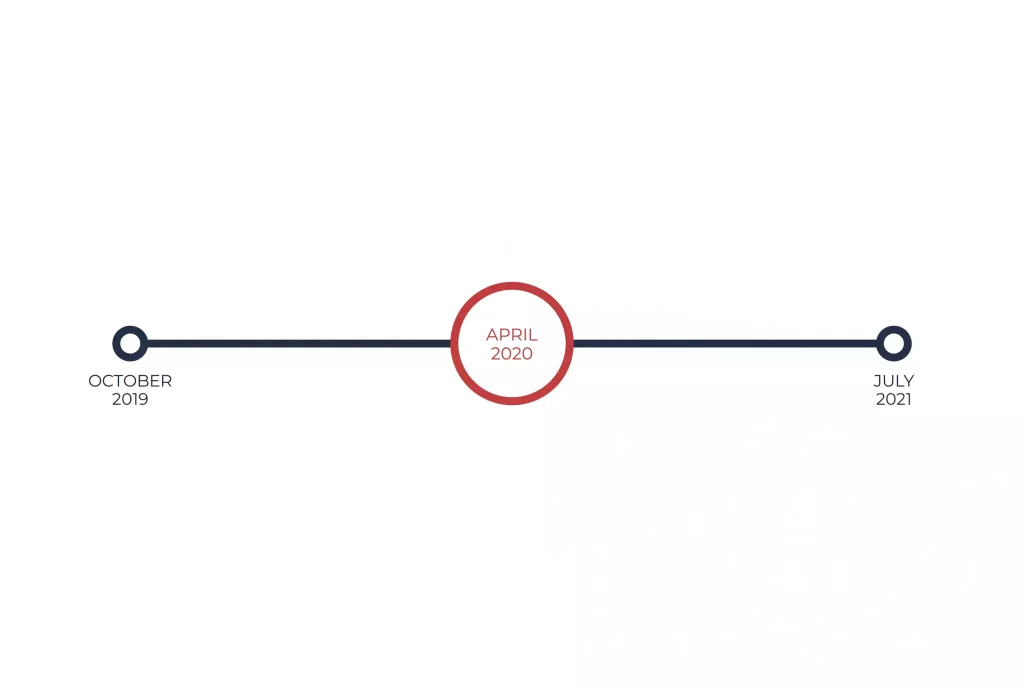
The date that rewrote a payment habit overnight
On 14 April 2020, the UK Gambling Commission’s blanket ban on credit-card gambling came into force, and a deposit method that had been the default for hundreds of thousands of British bettors stopped working overnight. The calendar is worth sitting with for a moment. The ban landed in the middle of the first Covid lockdown, when online gambling volumes were spiking, when sporting fixtures were cancelled and players were drifting into casino products, and when the Gambling Commission was under pressure to act on harm data it had been collecting for years.
Six years on, the ban has held without serious challenge, shaped how UK operators design their cashiers, and become the reference point every other jurisdiction — Australia in 2024, Brazil in 2026 — has worked from. This piece looks at what the ban actually covers, the problem-gambling data that drove it, how UK operators replaced the lost credit-card volume, why debit Mastercards remain the workhorse of UK betting payments, and what has changed in the operator-side cashier experience since the rule took effect.
What the ban actually covers
The UK ban is broader than its everyday description suggests. It prohibits licensees from accepting deposits from credit cards for all forms of gambling — sports betting, casino, bingo, poker, lottery products and anything else inside the scope of the Gambling Act. It also prohibits deposits funded from e-money wallets where the wallet draws from a credit card. And it extends to remote gambling on non-remote licences where the physical instrument is still a card.
The scope of “credit” is where the rule catches more than players expect. A Mastercard credit card is in scope by default. A Mastercard debit card is not. A prepaid Mastercard loaded from a bank current account is not. A prepaid Mastercard loaded from a credit card is in scope because the funding chain touches credit. A PayPal wallet funded from a linked credit card is in scope when that wallet is used to deposit. The rule targets the funding source, not the visible instrument at the cashier.
The scale at which this bit is revealing. Finance-industry estimates from the period show roughly 24 million British adults gambled in some form before the ban, about 10.5 million of them online, and approximately 800,000 used credit cards for deposits. The ban removed an instrument used by a minority of players but a disproportionately costly minority from a harm perspective.
Non-remote physical gambling — cash at a betting shop, for example — remains outside the ban. That was a deliberate carve-out. The regulator’s concern was not cash itself but the frictionless scale of credit-funded online play, and it wrote the rule to match that concern.
The problem-gambling data behind the ban
The regulator did not act on anecdote. The UKGC’s research in the years leading up to the ban found that among online gamblers who used credit cards for deposits, roughly 22 percent met the criteria for problem gambling — a prevalence significantly above the average for players using other payment methods. An independent evaluation the following year put the figure closer to 24 percent for online players paying with cards, against roughly 11 percent among users of alternative methods. Either way, credit-card use mapped cleanly onto harm.
The mechanism is intuitive. Credit gives access to money the player does not currently have, in amounts they might not otherwise commit, during windows of emotional decision-making that cash withdrawal would interrupt. The friction that a trip to a cashpoint creates is absent when a Mastercard credit card is saved in a sportsbook cashier. Losses compound on interest; chasing behaviour finds a frictionless vehicle; debt accumulates.
The regulator’s public framing acknowledged this directly. Its leadership at the time said the policy was introduced to reduce gambling harm as part of a broader programme of consumer protection. That framing has held up — nothing in the six years since the ban has undermined the logic, and subsequent data from adjacent markets has reinforced it.
The wider US research that has emerged since supports the same direction of concern. Among American sports bettors, 24 percent have used a cash advance on a credit card to fund bets, 16 percent have taken a personal loan, and 12 percent have used a payday loan — signals of a credit-funded gambling pattern that parallels the UK’s pre-ban picture. Those numbers are not about the UK, but they describe the same problem the UK acted to address.
What happened to the lost credit-card volume
The most-asked question in the months after the ban was whether it would hurt UK operator revenue. The honest answer, six years on, is that the impact was real but smaller than some operators feared, and the volume that left credit cards mostly migrated to debit cards and bank-linked e-wallets rather than leaving gambling altogether.
Debit-card volume rose sharply in the twelve months after April 2020 as operators made their debit cashier flows more prominent and as players shifted habits. E-wallet volume — PayPal, Skrill, and domestic UK open-banking alternatives — also grew, although at a slower pace because many wallets were themselves in scope when they drew from credit.
Open-banking payment rails saw their first serious growth window during this period. UK operators integrated direct-bank-transfer options that route from the player’s current account to the operator’s account without touching a card rail at all. These rails have lower cost for operators and lower friction for players, and in the post-ban environment they became a real competitor to card deposits for the first time.
Some volume did leave. Bettors who had relied specifically on credit to time their deposits — who would bet on pay-day confidence that the credit-card balance would be cleared by month-end — reduced their frequency when the instrument was removed. Whether this represented harm reduction or revenue leakage is a question that depends on your point of view; the regulator would argue the former, operators initially argued the latter, and the data since suggests the migration to debit was mostly clean.
Debit Mastercard remains the workhorse
In the post-ban UK market, the debit Mastercard is the single most-used deposit method for regulated sports betting. Cards in aggregate still account for roughly 45 percent of UK gambling deposits on the debit side, with the balance split between e-wallets, bank transfers and other instruments. The debit card’s position is not an accident; operators have invested heavily in making debit flows frictionless, and issuers have generally left MCC 7995 deposits on debit cards approved.
What debit offers that credit did not is a direct connection between the player’s real available money and the deposit. A debit-funded deposit declines if the account balance is insufficient, which is the friction the regulator was trying to build in. Bank-side gambling blocks — opt-in features that let customers pause their own gambling spending — have become widespread since 2020 and give players another layer of self-control on debit cards specifically.
Challenger banks have pushed this further. Monzo and Starling were early with opt-in gambling blocks, Barclays and Lloyds have followed, and by 2026 most major UK issuers offer the feature in some form. The gambling block typically includes a mandatory cooling-off period between toggling off and being able to deposit again, usually 48 hours, which reintroduces friction of a different kind.
What operators changed at the cashier
Six years of operator cashier development has produced a set of common patterns that were not universal pre-ban. Card-type detection at registration is now standard — the cashier identifies whether an added card is debit, credit or prepaid, and refuses credit outright before a deposit can even be attempted. The detection runs on BIN lookup and is near-instant.
Name-match verification has tightened. Where pre-ban operators accepted household-level card use with limited enforcement, post-ban operators run strict name-match against the account holder and refuse cards that do not match. The tightening was driven partly by the ban (to prevent household credit-card workarounds) and partly by the parallel AML evolution the regulator has been driving.
Operator cost structures have also shifted as regulatory costs have mounted. The UK Gambling Levy Regulations 2025, in force from 1 October 2025, imposes a statutory levy on all UKGC licensees’ gross gambling yield to fund treatment and prevention. A full breakdown of how that levy has filtered through to the cashier sits in this piece on what changed at the UK Mastercard cashier in 2025, which picks up the story where the credit-card ban left off.
The quiet change is cultural rather than structural. UK operators six years into the post-ban environment treat responsible gambling as an embedded compliance function rather than an afterthought, and the cashier surfaces tools — deposit limits, reality checks, time-out options — more prominently than it did in 2019. That shift is not all attributable to the credit-card ban, but the ban was the event that made the broader culture change feel necessary.
The wider context is set out in our Mastercard betting breakdown.
The 2025 sequel is the UK gambling levy.
